
How to Start a Gluten-Free Diet: Beginner’s Guide to What to Eat & Avoid
Starting a gluten-free diet can feel overwhelming — especially if you’re not sure where to begin. This beginner-friendly guide walks you through how to start a gluten-free diet step by step, including what to eat, what to avoid, and how to feel confident during your first week.
Whether you’re newly gluten-free or supporting a family member, you’ll find simple, practical guidance to help you start with clarity and ease.
Rachel Alves, RD, Clinical Dietitian, reviewed and approved this article.

Why I Created This Gluten-Free Beginner Guide
When I first went gluten-free nearly 20 years ago after being diagnosed with Hashimoto’s, I remember standing in the grocery store wondering what on earth I could eat. The learning curve felt steep — but with the right guidance, it became not only manageable, but truly life-changing.
Sherie friedlander, NC
I created this guide to offer the clarity I wish I had back then — so you don’t have to figure it all out on your own.
Many gluten-free books are available to help guide you, like this list I compiled for the blog.
Table of contents
- Why I Created This Gluten-Free Beginner Guide
- What Is Gluten (And Who Needs to Avoid It)?
- Step 1: Learn Which Foods Contain Gluten (Including Hidden Sources)
- Step 2: Focus on Naturally Gluten-Free Foods
- Step 3: Set Up a Gluten-Free Kitchen (Beginner Checklist)
- Step 4: Choose Beginner-Friendly Gluten-Free Grains & Flours
- Step 5: What to Eat Your First Week Gluten-Free
- Step 6: Avoid These Common Gluten-Free Beginner Mistakes
- Is a Gluten-Free Diet Healthy?
- Final Thoughts on Starting a Gluten-Free Diet
- Your Questions Answered
Perhaps you have been dealing with nagging digestive symptoms, discomfort, fatigue, or suspicion of being gluten intolerant. There are a multitude of reasons to remove gluten from your diet. You have come to the right place to learn more about a gluten-free diet.
What Is Gluten (And Who Needs to Avoid It)?
Gluten is a group of proteins found in wheat, barley, and rye. It helps foods maintain structure, which is why it’s common in bread, pasta, baked goods, and many processed foods.
Some people must avoid gluten entirely, including those with:
- Celiac disease
- Non-celiac gluten sensitivity
- Wheat allergy
Others choose to remove gluten because it causes digestive discomfort, inflammation, fatigue, or brain fog. Regardless of the reason, learning where gluten hides is the first step toward gluten-free living.
If you suspect celiac disease, testing must be done before removing gluten. Always consult your healthcare provider.
Step 1: Learn Which Foods Contain Gluten (Including Hidden Sources)
Gluten is most commonly found in foods made with wheat, barley, or rye — but it can also appear in unexpected places.
Foods That Commonly Contain Gluten
- Bread, bagels, muffins, baked goods
- Pasta and pizza
- Cereals and crackers
- Cakes, cookies, pies
- Beer and malt beverages
Hidden Sources of Gluten
- Sauces and gravies
- Soups and broths
- Salad dressings
- Seasoning blends
- Candy and snack foods
- Processed meats
Gluten is not required by law to be clearly labeled, so reading ingredient lists is essential — especially if you have celiac disease.
Step 2: Focus on Naturally Gluten-Free Foods
Here’s the good news: many whole foods are naturally gluten-free, making meal planning much easier than it may seem.
Naturally Gluten-Free Foods
- Fresh fruits and vegetables
- Eggs
- Meat, poultry, and seafood (unprocessed)
- Dairy (unless thickened or flavored)
- Beans, lentils, and legumes
- Nuts and seeds
- Rice, potatoes, corn, and quinoa
Building meals around naturally gluten-free foods is one of the simplest and healthiest ways to start.
Step 3: Set Up a Gluten-Free Kitchen (Beginner Checklist)
Creating a safe kitchen helps prevent accidental gluten exposure.
- Remove foods containing wheat, barley, and rye from your pantry.
- Replace crumb-trapping items like toasters and cutting boards.
- Clean counters, drawers, utensils, and appliances thoroughly.
- Stock gluten-free staples and naturally gluten-free foods.
- Be mindful of cross-contamination from shared surfaces and utensils.
This step is essential for anyone with celiac disease or wheat allergy.
Step 4: Choose Beginner-Friendly Gluten-Free Grains & Flours
You don’t need to learn every gluten-free flour right away. Start simple.
Beginner-Friendly Gluten-Free Grains
- Rice (including wild rice)
- Quinoa
- Corn
- Certified gluten-free oats
- Potatoes
Common Gluten-Free Flours
- Almond flour
- Coconut flour
- Rice flour
- Tapioca starch
- Potato starch
Many beginners find it easiest to use gluten-free flour blends, which are designed to replace traditional flour one-for-one.

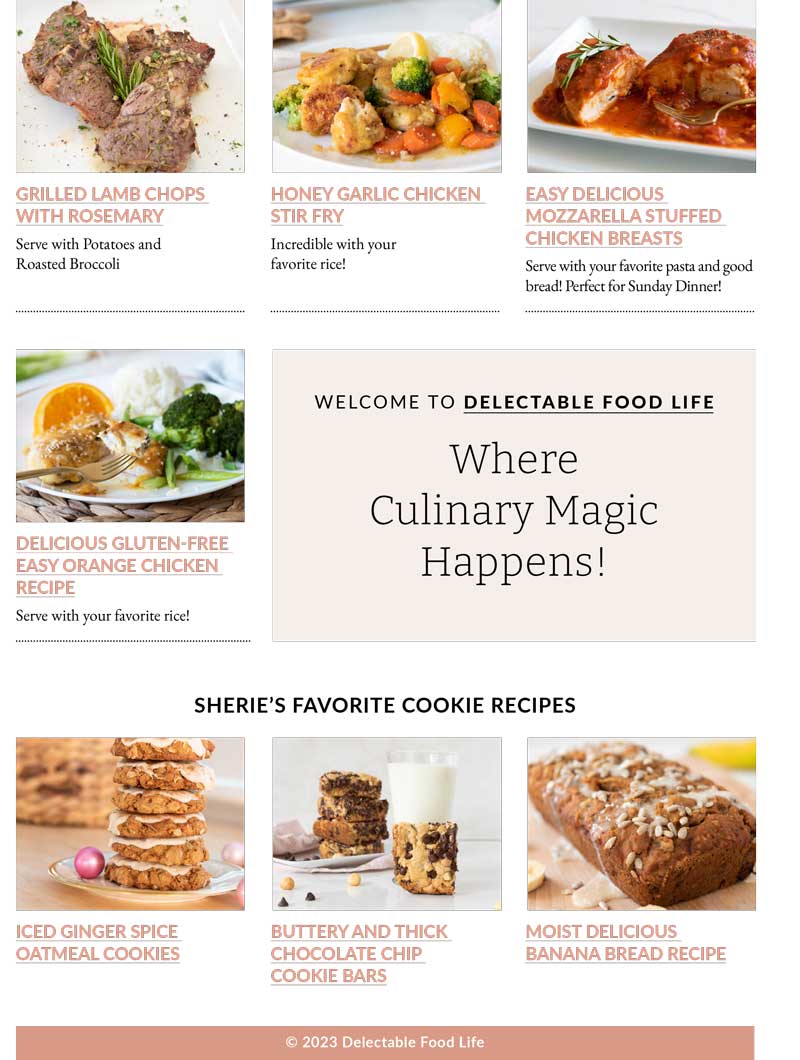
GRAB YOur Free Copy
7-Day Delectable Dinner Plan
Join our newsletter and receive delicious, easy, gluten-free recipes and tips for healthy living! Sign up now and let the freshness flow straight to your inbox!
Many people find it easiest to start with gluten-free flour blends, which are designed to replace traditional flour in baking with minimal adjustments.
Step 5: What to Eat Your First Week Gluten-Free
Instead of focusing on what you can’t eat, focus on simple, satisfying meals.
Breakfast Ideas
- Smoothies with fruit, yogurt, and nut butter
- Eggs with gluten-free toast
- Yogurt with berries and honey
Lunch Ideas
- Salads with protein and olive oil dressing
- Rice bowls with vegetables and beans
- Gluten-free wraps or leftovers
Dinner Ideas
- Grilled chicken or fish with vegetables
- Rice or quinoa-based meals
- Gluten-free pasta with sauce
(Simple meals = less stress.)
Step 6: Avoid These Common Gluten-Free Beginner Mistakes
- Assuming all “healthy” foods are gluten-free
- Forgetting to read labels
- Over-relying on processed gluten-free products
- Ignoring cross-contamination
- Expecting immediate results
Give yourself grace — gluten-free living is a learning process.
Is a Gluten-Free Diet Healthy?
A gluten-free diet can be very healthy when it focuses on whole, nutrient-dense foods. However, simply replacing gluten-containing foods with processed gluten-free alternatives isn’t ideal in the long term.
Balance, variety, and planning are key.
Final Thoughts on Starting a Gluten-Free Diet
Starting a gluten-free diet can feel daunting at first — but it honestly gets easier with time. With a bit of preparation, simple meals, and the right resources, gluten-free living can feel nourishing, empowering, and enjoyable.
If you’re new here, I invite you to explore:
You’re not alone on this journey — and delicious food is still very much on the menu.

My Pick

Delectable Notes
Little tips to make gluten-free life easier & more delicious
If this feels new or overwhelming, you’re doing it right. Gluten-free living gets easier with every meal — progress always beats perfection.
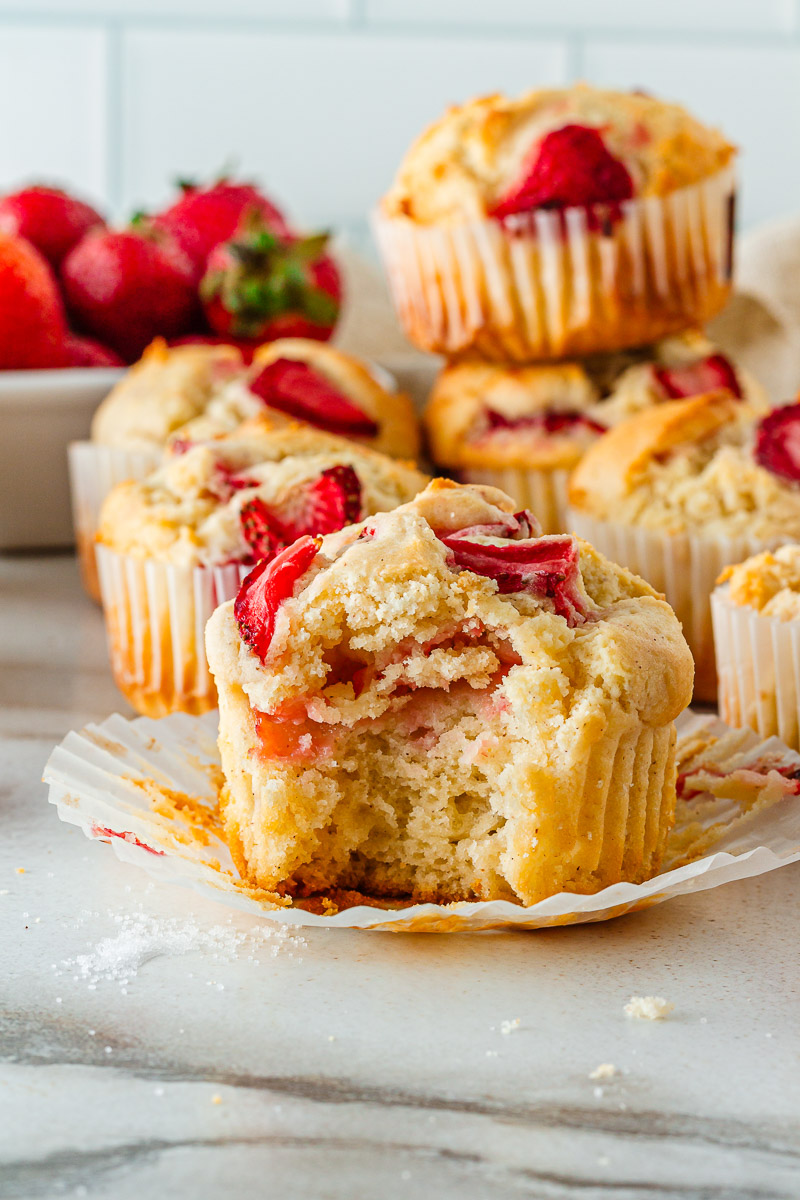

JOIN MY SUBSTACK COMMUNITY
Gluten Free Delectably
I help fellow gluten-free eaters who wish for fresh ideas for dinners and occasional desserts. Our focus will be gluten-free meals that are both crave-able and healthy!
Your Questions Answered
Some people notice improvements within days, while others take weeks or months.
Yes — rice is naturally gluten-free. Check the ingredients if rice is in a rice pilaf, as it may contain gluten.
Only oats that are certified gluten-free are considered safe.
